

Mānawa Mai Info Evening
Join our interactive online sessions on 25 June to learn more about the huge range of programmes we have on offer.
Find out more

No.1 ranked NZ University
Not only ranked the top University in NZ, the University of Auckland is also first in Oceania for sustainability.
Find out more
Joining us as an international student?
We’re processing international applications. Read about study and scholarships at the University of Auckland, and what it’s like to live in our biggest city.
Read more
How to apply as an international student
Learn more about applications, visas, important dates, insurance and other things to consider.
Find out more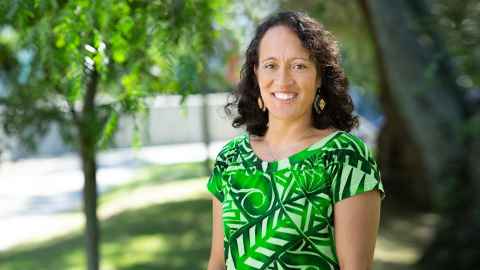
Student Hubs
Drop in to a Student Hub near you for advice on any aspect of your studies and life at University.
Find out more
Te Papa Manaaki | Campus Care
A safe, confidential and free service that supports the health, wellbeing and safety of everyone at the University of Auckland.
Read more
Postgraduate study
Whether you want to change careers, progress in your current field or pursue a passion, we have a range of postgraduate study options to get you there.
Find out more
Application help
Join Lou, the campus Kererū, as they glide you through everything you need to know about applying to study with us.
Watch videos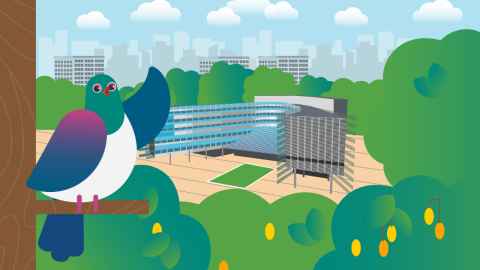
New General Education courses 2024
Enrol in one of our new General Education courses. You’ll work across disciplines to use your diverse ways of thinking to find solutions to global problems.
Find out more
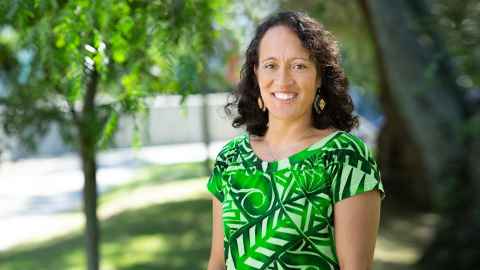
Taking the journey to the realm of light
Psychologist Jade Le Grice brings a mātauranga Māori lens to complex issues, from attitudes to abortion to ending sexual violence.
Find out more
When expectations become self-fulfilling
Emeritus Professor Tim Hazledine says the key to whether the next few years turn out to be good or bad, depends on what people think is going to happen.
Read more
Restrengthening connections important step for Tiriti-based constitution
Constitutional transformation based on honouring te Tiriti o Waitangi is not only possible, it is inevitable.
Read more
Lecturer named environmental 'champion' on Earth Day
Dr Rebecca Gladstone-Gallagher and colleagues have looked at ways to live within the planet's ecological boundaries.
Read more
University of Auckland staff recognised in Europe with Educators For Impact awards
Three staff from the Centre for Innovation and Entrepreneurship (CIE) received awards across two separate categories for two separate education initiatives.
Read more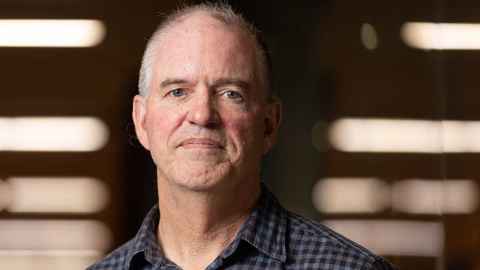
Mason Ng to attend Nobel laureate event
Waipapa Taumata Rau, University of Auckland graduate Mason Ng will be one of the young scientists exchanging views with superstars of physics.
Read more
Fast Forward lecture series
We embark on a journey of exploration and discovery, pushing the boundaries of architectural discourse and envisioning the future of our built environment.
Find out more
University events
Stay up-to-date with the wide range of events and activities happening at the University.
Find out more