
Autumn graduation 2024
Congratulations to our wonderful graduands! Join the celebration by watching the live streams here.
Find out more
Mānawa Mai Info Evening
Join our interactive online sessions on 25 June to learn more about the huge range of programmes we have on offer.
Find out more

Postgraduate study
Whether you want to change careers, progress in your current field or pursue a passion, we have a range of postgraduate study options to get you there.
Find out more

No.1 ranked NZ University
Not only ranked the top University in NZ, the University of Auckland is also first in Oceania for sustainability.
Find out more
Joining us as an international student?
We’re processing international applications. Read about study and scholarships at the University of Auckland, and what it’s like to live in our biggest city.
Read more
How to apply as an international student
Learn more about applications, visas, important dates, insurance and other things to consider.
Find out more
Student Hubs
Drop in to a Student Hub near you for advice on any aspect of your studies and life at University.
Find out more
Te Papa Manaaki | Campus Care
A safe, confidential and free service that supports the health, wellbeing and safety of everyone at the University of Auckland.
Read more

Professional development
We offer a wide range of continuing education and short course options to help you achieve your goals.
Find out more
Application help
Join Lou, the campus Kererū, as they glide you through everything you need to know about applying to study with us.
Watch videos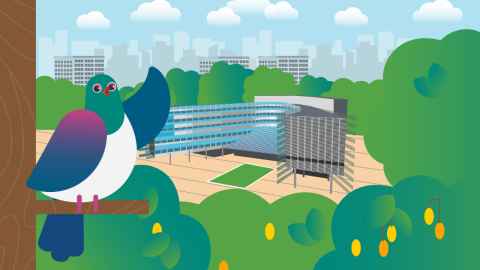
New General Education courses 2024
Enrol in one of our new General Education courses. You’ll work across disciplines to use your diverse ways of thinking to find solutions to global problems.
Find out more
Why fast-track approvals threaten fragile ecosystems
Margaret Stanley highlights the dangers from letting companies bypass environmental laws.
Read more
Child protection decimation a ‘callous razor gang response’
The message from the coalition Government is that the regressive state will set the social agenda, not progressive public servants, argues Ian Hyslop.
Read more
Forensics graduate joins search for Vietnam's missing
Dr Bethany Forsythe's expertise will help efforts to identify human remains from war in Vietnam.
Read more
German foreign minister describes Space Institute as a special place
On her first visit to New Zealand Germany’s Foreign Minister Annalena Baerbock was the guest at a showcase on research and innovation in the space sector.
Read more
Paul Kilmartin: hitting the marc to reuse wine waste
From wine to LPs, Professor Paul Kilmartin sees the impact of chemistry everywhere.
Read more
Urban designer Zoë Avery’s vision for cities
To help address the ‘polycrisis’ of climate change, biodiversity collapse and energy consumption, cities need to be greener, healthier and more sustainable.
Read more
Making Spaces
Leading artists share their research, illuminating their practices and the contexts in which they operate professionally.
Find out more
University events
Stay up-to-date with the wide range of events and activities happening at the University.
Find out more